
What Is Shoulder Dislocation?
A shoulder dislocation occurs when the head of the humerus (upper arm bone) is forced out of the glenoid socket in the shoulder joint. Because the shoulder has the greatest range of motion of any joint in the body, it is also the most commonly dislocated major joint.
In the first moments after a shoulder dislocation, pain is usually intense and movement becomes extremely limited. Many people describe a visible change in shoulder shape, along with swelling or bruising shortly after the injury.
Understanding shoulder dislocation early is important because delayed or improper care can increase the risk of long‑term instability and repeat injuries.
Understanding Shoulder Dislocation Anatomy
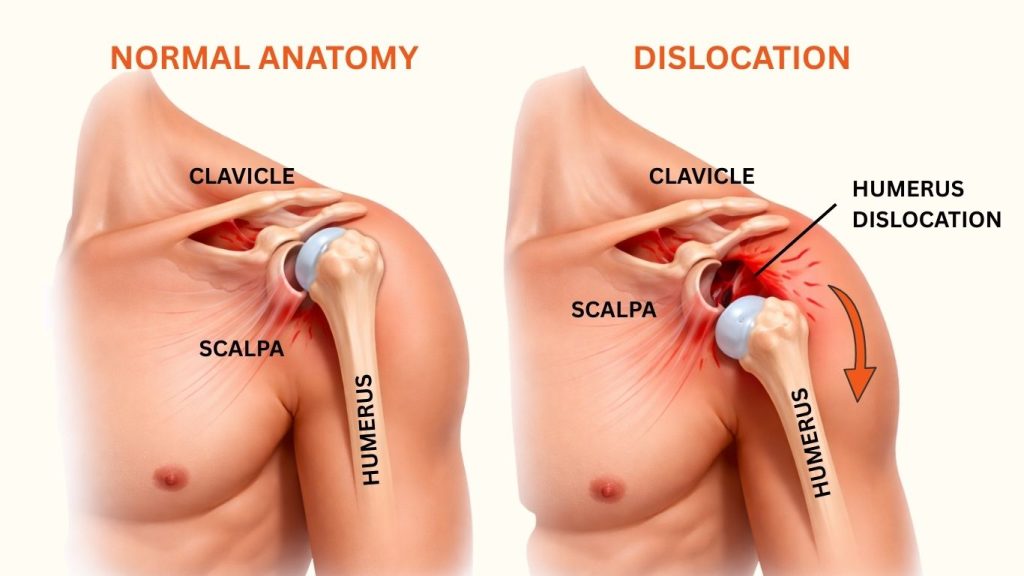
The shoulder is a ball‑and‑socket joint made up of three main bones:
- The humerus (upper arm bone)
- The scapula (shoulder blade)
- The clavicle (collarbone)
In a healthy shoulder, the rounded humeral head sits securely in the shallow glenoid socket, supported by ligaments, muscles, and the labrum. During a shoulder dislocation, this balance is disrupted and the ball separates from the socket.
Because the socket is shallow by design, the shoulder sacrifices stability for mobility—making shoulder dislocation more likely during sudden force or trauma.
Common Causes of Shoulder Dislocation
A shoulder dislocation usually happens due to a strong external force. Common causes include:
- Sports injuries, especially contact or overhead sports
- Falls onto an outstretched arm
- Motor vehicle accidents
- Sudden twisting or forceful pulling of the arm
Athletes involved in hockey, football, basketball, or weightlifting are particularly at risk for shoulder dislocation due to repeated stress and impact.
Signs and Symptoms of Shoulder Dislocation
Recognizing the symptoms of shoulder dislocation can help prompt immediate care.
Common Symptoms
- Severe, sudden shoulder pain
- Visible deformity or uneven shoulder contour
- Inability to move the arm
- Swelling and bruising
- Numbness, tingling, or weakness in the arm or hand
If these symptoms appear after trauma, medical evaluation is essential before attempting any movement or self‑treatment.
Risk Factors for Shoulder Dislocation
Certain factors increase the likelihood of experiencing a shoulder dislocation:
- Participation in contact or overhead sports
- Previous shoulder dislocation
- Weak rotator cuff or shoulder stabilizers
- Poor shoulder mechanics or posture
- Increased fall risk in older adults
Once someone has experienced a shoulder dislocation, the chance of recurrence increases without proper rehabilitation.
Types of Shoulder Dislocation
Not all shoulder dislocations occur in the same direction. Understanding the type helps guide treatment.
Anterior Shoulder Dislocation (Most Common)
An anterior shoulder dislocation accounts for approximately 95% of cases. In this type, the humeral head shifts forward and downward out of the socket.
This often occurs when the arm is extended and externally rotated, such as during a fall or sports collision.
Posterior Shoulder Dislocation (Rare but Serious)
A posterior shoulder dislocation makes up less than 5% of cases. Here, the humeral head moves backward behind the glenoid socket.
This type is often associated with:
- Direct blows to the front of the shoulder
- Seizures
- Electrical shock injuries
Posterior shoulder dislocation can be harder to diagnose and is frequently missed without imaging.
How Shoulder Dislocation Is Diagnosed
Diagnosis of shoulder dislocation typically includes:
- Physical examination
- X‑ray imaging to confirm dislocation and rule out fractures
- Advanced imaging if soft tissue damage is suspected
Early diagnosis ensures proper joint repositioning and prevents further damage to surrounding structures.
How Physiotherapy Helps Shoulder Dislocation Recovery
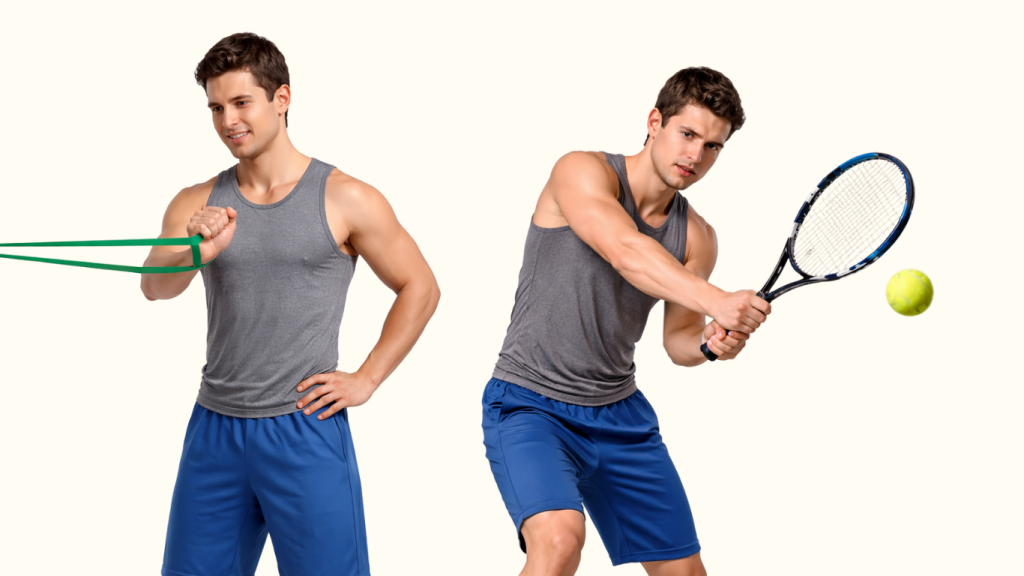
Physiotherapy plays a critical role in shoulder dislocation rehabilitation and long‑term joint stability.
Phase 1: Pain Management
Focus during this phase is to:
- Reduce pain and swelling
- Protect the injured joint
- Promote safe healing
Phase 2: Regaining Mobility
Once pain decreases, therapy shifts toward:
- Restoring safe range of motion
- Preventing stiffness
- Improving joint control
Phase 3: Strengthening
This phase emphasizes:
- Strengthening the rotator cuff
- Improving deltoid and scapular stability
- Enhancing shoulder endurance
Phase 4: Return to Function
Final rehabilitation goals include:
- Sport or activity specific training
- Injury prevention strategies
- Confidence in shoulder movement
Physiotherapy can significantly reduce the risk of repeat shoulder dislocation.
Simple Home Exercises for Shoulder Dislocation Rehab
Under professional guidance, gentle exercises may be introduced.
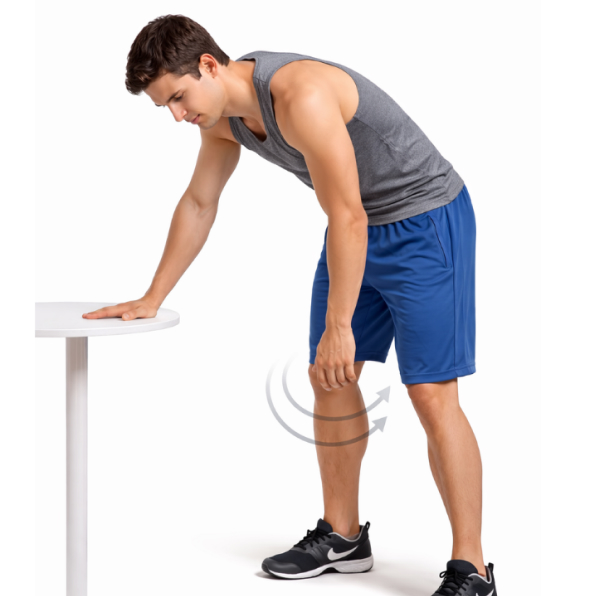
Pendulum Swings
Lean forward and allow the injured arm to hang freely. Gently swing in small circles to encourage mobility.
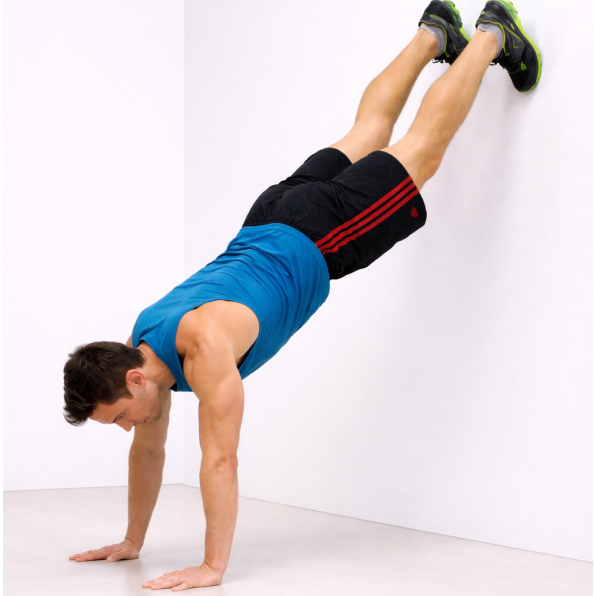
Wall Walks
Face a wall and slowly walk your fingers upward, raising the arm only as far as comfortable.
Isometric Shoulder Exercises
Press the hand gently against a wall or doorway without moving the joint to activate muscles safely.
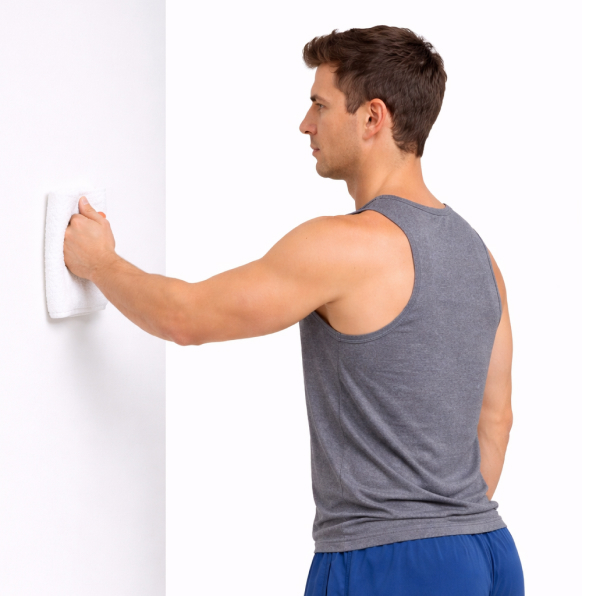
These exercises should only be performed when approved by a healthcare professional.
When to Seek Professional Care
If you suspect a shoulder dislocation, seek immediate medical attention. Attempting to move or reposition the joint without training can worsen the injury.
Professional assessment ensures proper alignment, healing, and long‑term shoulder health.
A shoulder dislocation can be painful and disruptive, but with the right care, full recovery is absolutely possible. Early assessment and a structured physiotherapy plan are key to restoring strength, mobility, and long-term shoulder stability.
Get Treatment Today!
At Couve Health, our experienced physiotherapists create personalized treatment plans to help you recover safely and reduce the risk of future shoulder dislocations.
Visit our Couve Physiotherapists today:
- Book a physiotherapy appointment: Book a Physiotherapist
- Call us: 604-449-7606
- Visit our website: Couve Health
Don’t let a shoulder dislocation hold you back from daily life or sport. Get professional support and start your recovery with Couve Health.