
What Is Spinal Pain?
Spinal pain refers to discomfort, stiffness, or pain that originates anywhere along the spine, including the neck, mid‑back, or lower back. It is one of the most common reasons people seek healthcare and can affect daily movement, work, sleep, and overall quality of life.
Spinal pain may develop gradually over time or appear suddenly after injury. In many cases, it is linked to changes in the spinal discs, joints, or nerves.
Understanding spinal pain is the first step toward effective treatment and long‑term relief.
Your Healthy Spine
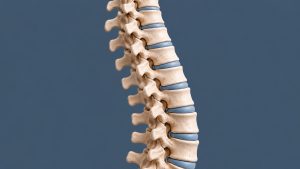
A healthy spine is designed to support movement, absorb shock, and protect the nervous system.
A normal spine includes:
- Intervertebral discs that act as shock absorbers between vertebrae
- Spinal cord and nerves that carry signals between the brain and body
- Vertebrae that provide structure and protect the spinal cord
When discs, bones, or nerves become damaged or irritated, spinal pain often begins.
Degenerative Disc Disease
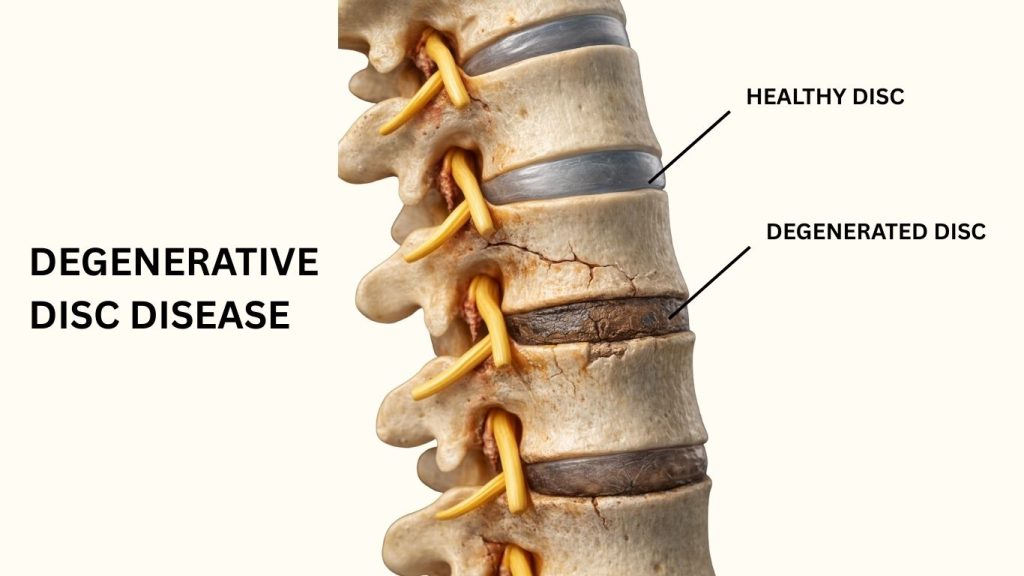
Degenerative disc disease is a common cause of spinal pain, especially as we age.
Over time, spinal discs:
- Dry out and lose thickness
- Become less flexible
- Provide less cushioning between vertebrae
This process can lead to stiffness, chronic spinal pain, and sometimes nerve compression. Poor posture, smoking, repetitive strain, and lack of movement can accelerate disc degeneration.
Although the term sounds severe, degenerative disc disease is often manageable with conservative care.
Herniated (Slipped) Disc
A herniated disc occurs when the inner gel‑like material of a spinal disc pushes through its outer wall.
This can:
- Irritate nearby spinal nerves
- Cause sharp or radiating spinal pain
- Lead to numbness, tingling, or muscle weakness
Herniated discs are commonly caused by heavy lifting, sudden twisting movements, or age‑related disc changes. Symptoms may vary depending on the location and severity of the disc herniation.
Spinal Stenosis
Spinal stenosis refers to the narrowing of the spinal canal, which places pressure on the spinal cord or nerve roots.
Common features of spinal stenosis include:
- Bone overgrowth or disc bulging
- Compression of spinal nerves
- Leg pain, numbness, or weakness
Spinal pain from stenosis often worsens when standing or walking and improves when sitting or bending forward. This condition is more common in older adults but can affect younger individuals as well.
Spondylolisthesis
Spondylolisthesis occurs when one vertebra slips forward over the vertebra below it.
This condition can cause:
- Spinal instability
- Nerve compression
- Localized or radiating spinal pain
Spondylolisthesis may result from aging, stress fractures, traumatic injury, or congenital spinal differences. Severity varies, and symptoms depend on how much nerve involvement is present.
Signs and Symptoms of Spinal Pain
Spinal pain presents differently for each person. Common symptoms include:
- Dull or sharp back or neck pain
- Stiffness and reduced mobility
- Pain that radiates into the arms or legs
- Numbness, tingling, or weakness
- Pain that worsens with certain movements or positions
Persistent or worsening spinal pain should always be assessed by a qualified professional.
How Physiotherapy Helps Spinal Pain
Physiotherapy is one of the most effective treatments for spinal pain, targeting both symptoms and underlying causes.
Phase 1: Pain Management
Focus on:
- Reducing pain and inflammation
- Improving comfort and movement tolerance
- Protecting irritated tissues
Phase 2: Restoring Mobility
This phase aims to:
- Improve spinal flexibility
- Restore safe range of motion
- Reduce stiffness and muscle guarding
Phase 3: Strengthening and Stability
Treatment focuses on:
- Core and spinal muscle strengthening
- Improving posture and movement patterns
- Enhancing spinal support and control
Phase 4: Return to Function
Final goals include:
- Returning to daily activities, work, or sport
- Preventing recurrence of spinal pain
- Building long‑term resilience
A structured physiotherapy program significantly reduces pain and improves quality of life.
Take the Next Step With Couve Health Physiotherapy
Spinal pain does not have to control your life. With early assessment and personalized physiotherapy care, most spinal conditions can be managed effectively.
At Couve Health, our experienced chiropractic and physiotherapists provide evidence‑based treatment plans to reduce spinal pain, restore movement, and prevent future issues.
Visit one of our Couve Professionals today:
- Book a physiotherapy appointment: Book a Physiotherapist
- Call us: 604‑449‑7606
- Visit our website: Couve Health
Don’t let spinal pain limit your daily activities. Get professional support and start your recovery with Couve Health.