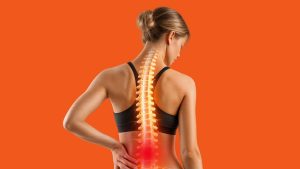

Workplace injuries are more than just temporary setbacks—they can disrupt an individual’s livelihood, affect long-term health, and place significant burdens on both employees and employers. That’s why effective workplace injury rehabilitation is crucial for restoring health, reducing downtime, and promoting a safe, productive work environment. Whether caused by repetitive motion, falls, heavy lifting, or ergonomic strain, workplace injuries require targeted and timely rehabilitation to ensure full recovery and minimize the risk of reinjury.
In this article, we’ll dive into the most effective strategies for workplace injury rehabilitation, how to prevent future injuries, and how employers and employees can work together to foster a culture of safety and wellness.
Understanding Workplace Injuries
Before implementing workplace injury rehabilitation strategies, it’s essential to understand the most common types of injuries sustained on the job. These typically include:
-
Musculoskeletal disorders (such as lower back pain and carpal tunnel syndrome)
-
Repetitive strain injuries
-
Slips, trips, and falls
-
Shoulder, neck, and knee injuries
-
Fractures or sprains from lifting or accidents
Each injury varies in severity and recovery time, and thus requires a personalized rehabilitation plan. Early intervention not only accelerates healing but also reduces the risk of chronic pain and disability.
The Importance of Early Workplace Injury Rehabilitation
Initiating workplace injury rehabilitation as soon as possible after an incident is critical. Delayed treatment often results in longer recovery periods and decreased treatment outcomes. Early rehab may include pain management, inflammation control, and gentle range-of-motion exercises. Addressing both the physical and psychological impacts of injury can significantly improve long-term recovery.
- Targeted Rehabilitation Techniques
A well-rounded workplace injury rehabilitation plan should combine several techniques tailored to the individual’s needs. Below are key components: - Physiotherapy
Physiotherapy plays a central role in workplace injury rehabilitation. Therapists use a combination of manual therapy, targeted exercises, and mobility training to restore strength, improve function, and reduce pain. Therapy is often customized to match the job demands of the employee, ensuring a safe return to work. - Ergonomic Adjustments
Ergonomic assessments are vital, especially for office or repetitive task workers. Rehabilitation may include modifying workstations, adjusting chairs and desks, or using assistive devices. These changes reduce strain on injured areas and prevent aggravation of existing injuries. - Massage Therapy
Massage therapy can help alleviate muscle tightness, reduce pain, and increase circulation to injured tissues. It’s often integrated into workplace injury rehabilitation plans to promote healing and relaxation. - Chiropractic Care
For injuries related to spinal alignment or joint dysfunction, chiropractic care may be recommended. Regular adjustments help improve mobility and relieve nerve impingement. - Occupational Therapy
Occupational therapists assist with functional recovery by simulating work tasks during rehab. They also help employees learn how to perform job duties safely after an injury, minimizing the chance of recurrence. - Mind-Body Practices
Incorporating practices like mindfulness, yoga, or breathing exercises can reduce stress and improve mental well-being during the recovery process. Mental health plays a significant role in physical healing and should not be overlooked.

Promoting Injury Prevention in the Workplace
Preventing injury is as important as rehabilitation. Employers can support their workforce by:
-
Conducting regular ergonomic evaluations
-
Providing proper training on lifting techniques
-
Implementing regular breaks and stretch routines
-
Offering wellness programs focused on fitness and mobility
-
Creating a culture that encourages reporting pain or discomfort early
Creating a Safe and Supportive Return-to-Work Program
A return-to-work program is a structured plan that helps employees transition back to their roles after injury. It should include:
-
A phased approach with reduced hours or modified duties
-
Regular follow-ups to monitor recovery
-
Collaboration between the injured worker, healthcare provider, and employer
Employee Empowerment Through Self-Care
Self-care is an often-underestimated component of workplace injury rehabilitation. Encouraging employees to take charge of their recovery can accelerate healing and reduce future injury risk. Self-care strategies include:
-
Following prescribed home exercise programs
-
Practicing good posture throughout the day
-
Staying physically active within safe limits
-
Managing stress through relaxation techniques
-
Maintaining a balanced, anti-inflammatory diet to support tissue repair
How Couve Supports Workplace Injury Rehabilitation
At Couve Health, we specialize in comprehensive workplace injury rehabilitation tailored to individual needs. Our multidisciplinary team provides:
-
-
Customized physiotherapy programs
-
Ergonomic assessments and workplace modifications
-
Chiropractic and massage therapy
-
Return-to-work support and education
-
Conclusion: Prioritizing Recovery and Prevention
Workplace injury rehabilitation is more than just a path to recovery—it’s a proactive approach to building a healthier, safer, and more resilient workforce. By addressing injuries early, using a personalized rehabilitation strategy, and emphasizing injury prevention, employees can recover faster and return to work with confidence.
Don’t let workplace injuries compromise your health or productivity. Take control of your recovery with a comprehensive rehabilitation plan that puts your well-being first. At Couve Health, we’re committed to helping you every step of the way.
Ready to Start Your Recovery?
Contact Couve Health today to book your consultation and take the first step toward a pain-free, productive future.
Reclaim your health. Empower your recovery. Experience expert workplace injury rehabilitation today.